Why even a great idea can fail?
"We aren't inherently designed by nature to automatically grasp one another": Exploring How Attending to People's Needs Is Shaping the World.
Text: Ksenia Lebedeva. Illustrations: Könül Kina Bayramova
8/12/20233 min read
Imagine you're a developer, and you need to design and construct pedestrian pathways.
Where would you begin? What factors would you consider?
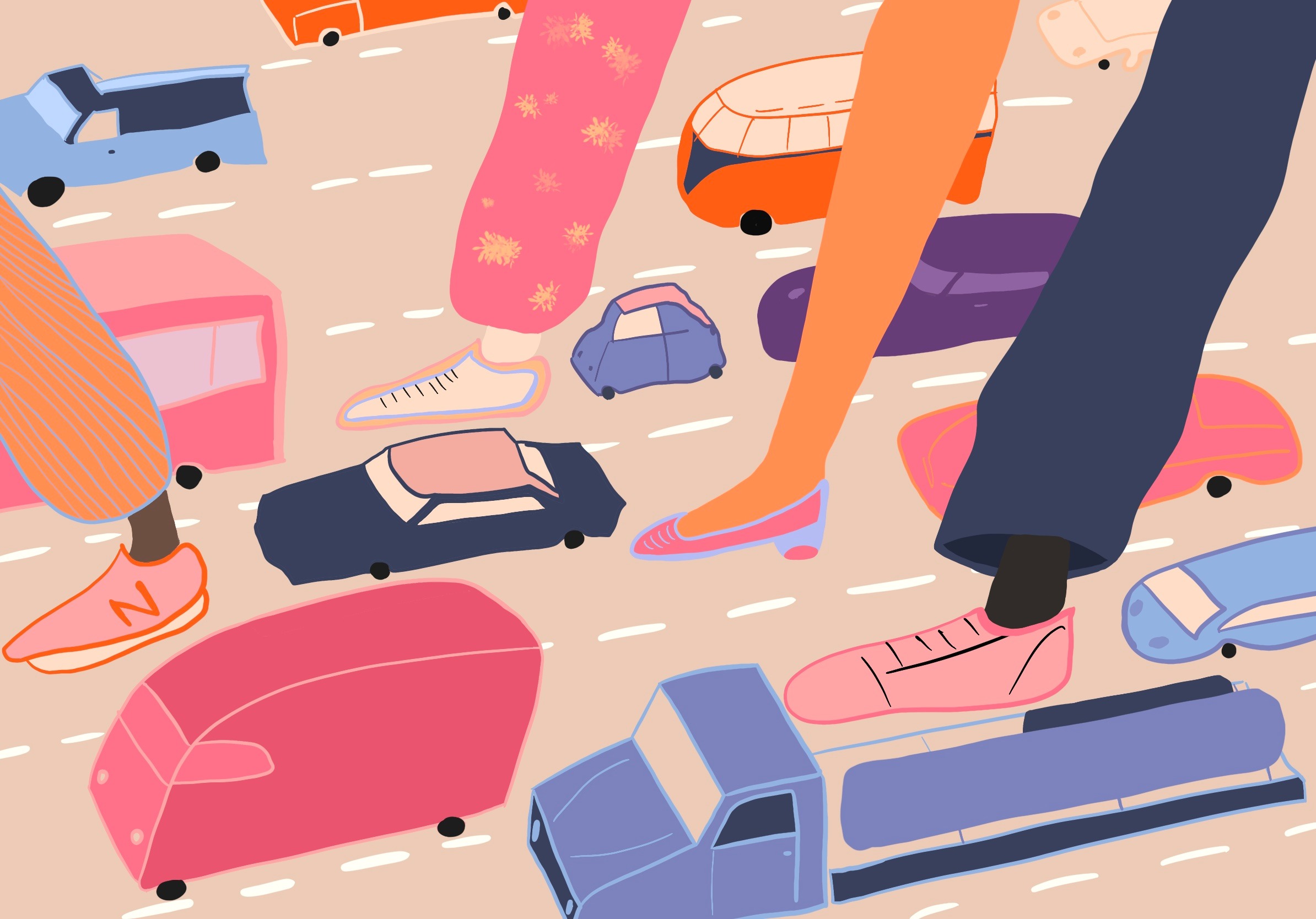
For a long time in road design, the focus was on cars: achieving maximum vehicular throughput was crucial. And now, even as the focus has shifted, as we'll discuss further, we are reaping the consequences:
Cities are divided due to heavy car traffic.
Pedestrians face danger even at crosswalks.
Environmental pollution levels have reached record highs.
Parks and squares where one could relax are almost non-existent.
The phenomenon of automobile dominance: Where our focus on cars has led us.
Modern trends in urban planning and road design have started to change, albeit slowly and not to the extent desired. Now, the focus of attention has shifted towards pedestrians.
In cities, we've seen the emergence of more pedestrian areas and safe routes for people. Public spaces for relaxation, green areas, sports facilities, and entertainment venues have begun to take shape. Despite the advantages of a pedestrian-oriented approach, it doesn't eliminate some level of chaos. For instance, new sidewalk tiles may look beautiful, as do boulevards with small lawns. However, if you plant grass where people find it more convenient to walk, this may likely lead to two new problems:
A pedestrian-oriented approach: What happens when we don't take situational thinking into account?
Summer
Winter
Instead of beautiful lawns, we have well-trodden paths.
People are unhappy because on these beaten tracks, mud mixes with snow. When you walk on them in bad weather, your shoes get heavily soiled.
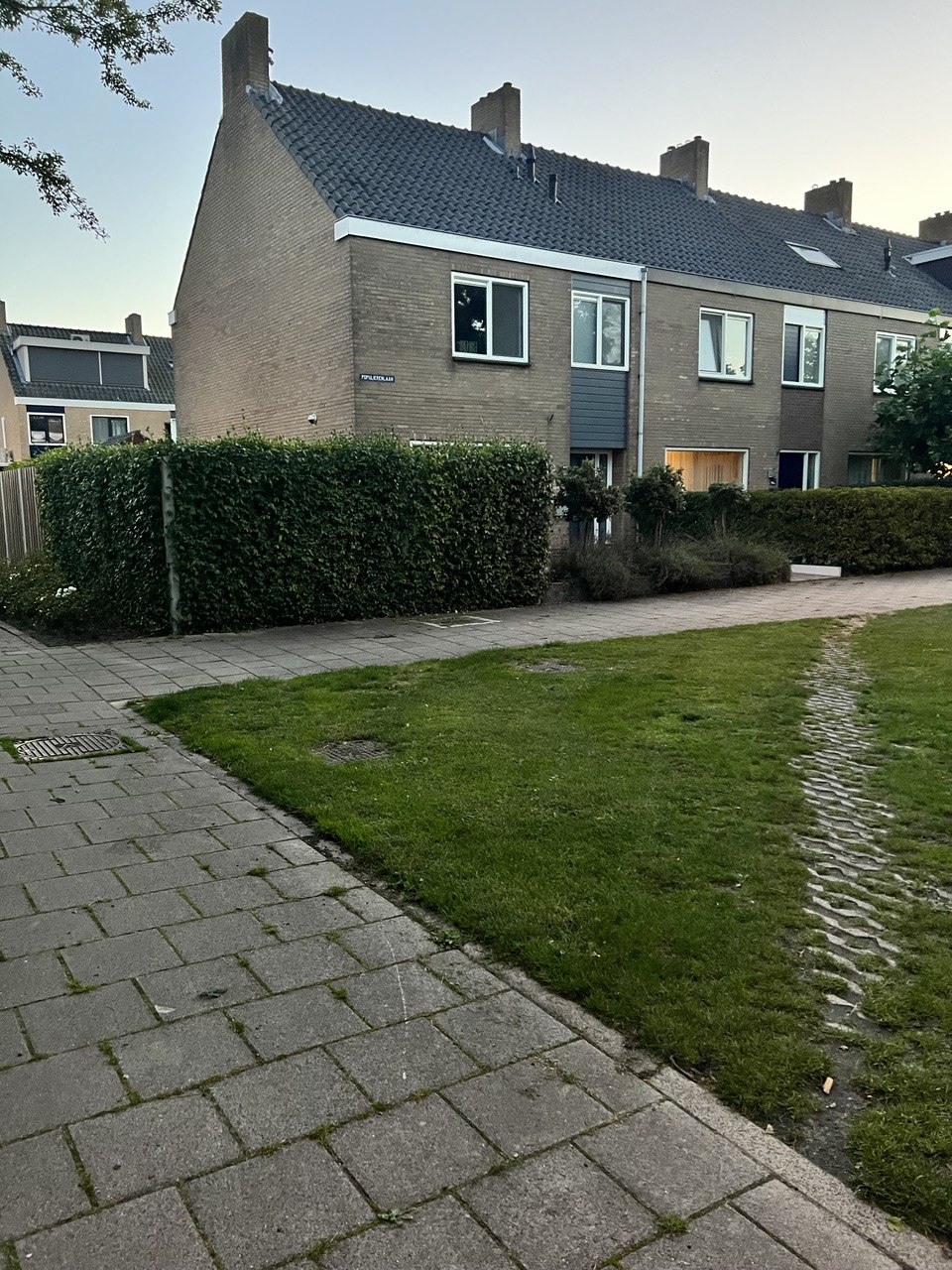
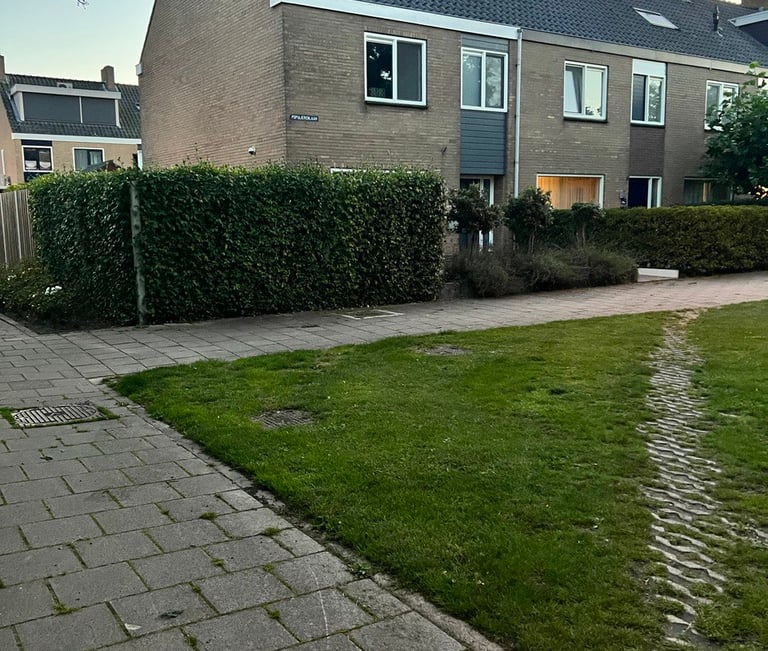
Yes, the paradigm has shifted, but the mindset of each individual changes slowly. When designing pathways, engineers rely more on technical requirements and less on experience, empathy, and a dash of common sense. That's why we often end up with a situation like the one in the picture: a tiled road next to an improvised path that emerged because it's more convenient for people to shorten their route this way every day. It turns out that an important factor was overlooked in the design process: the way of thinking of those who live and work near the landscaped area.
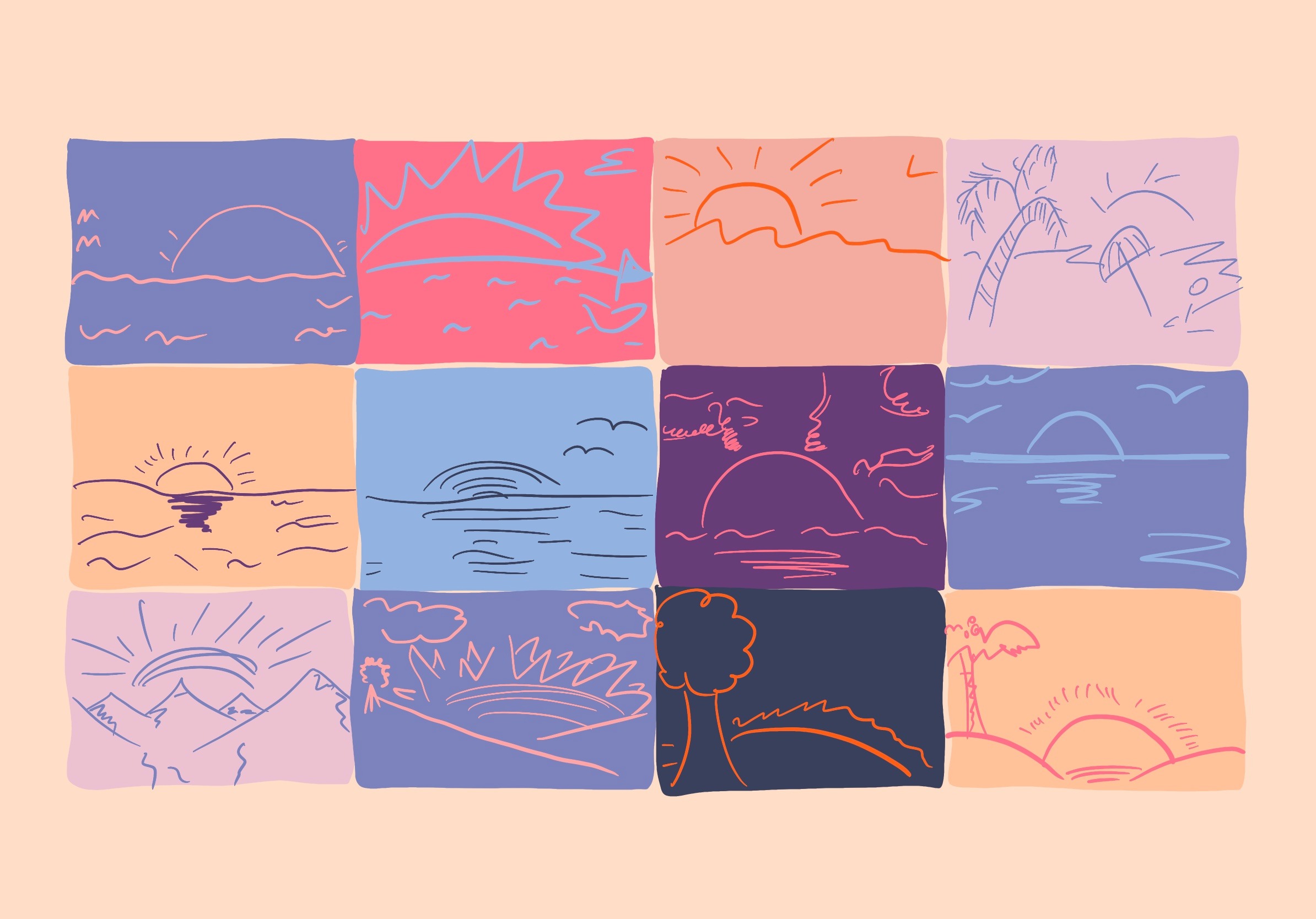
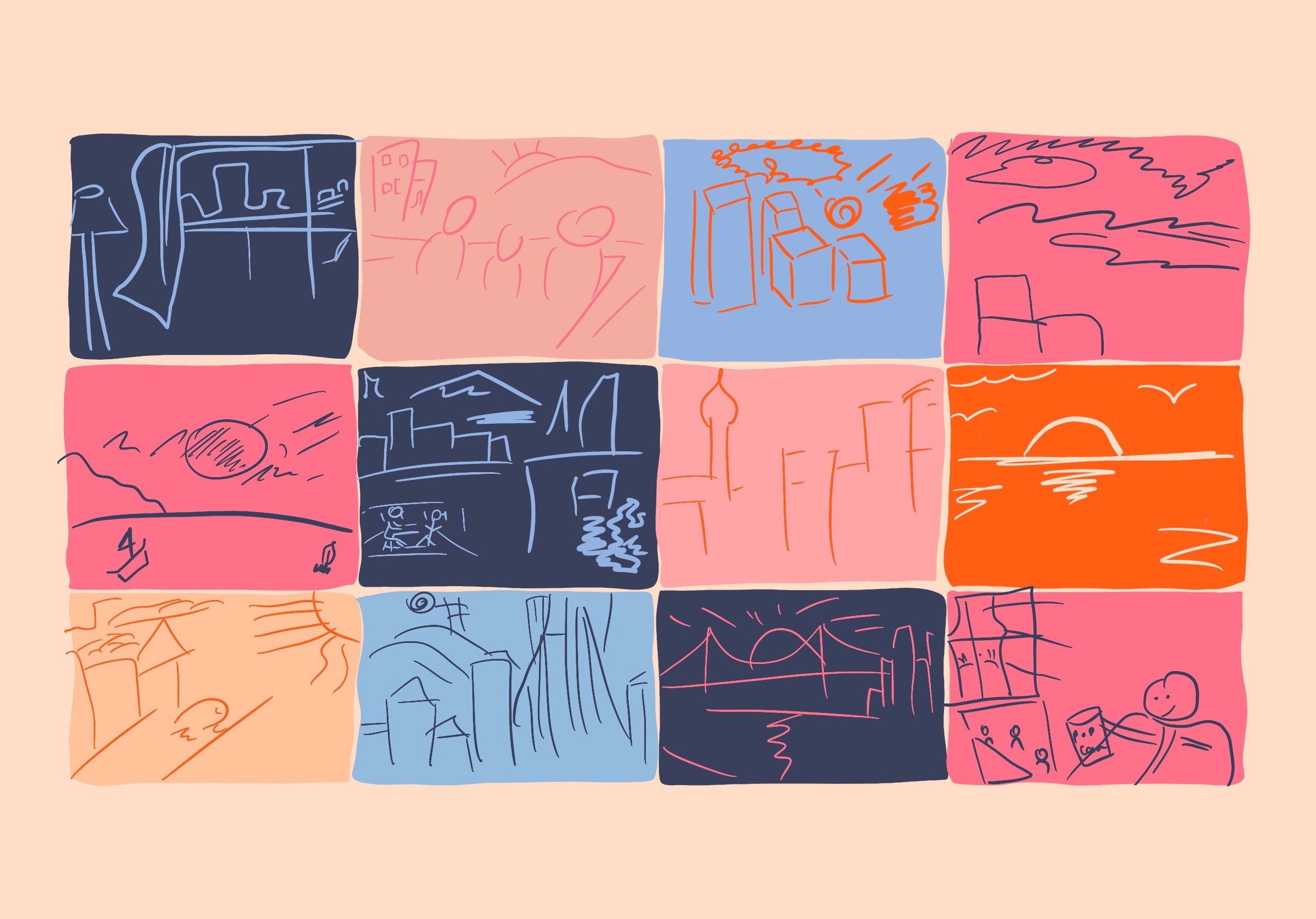
Typically, people draw a simple semicircle with rays and a horizontal line, resembling the sun setting below the horizon. The pictures from different individuals will be almost identical.
Let's conduct an experiment.
Now, draw the sunset you saw this week.